Should one stick to old tradition or should they adopt new practices which yield new tradition?
This is a challenging question for current generation of Indian classical dancers. The purists argue about keeping the structure as is experimentalists argue that they should build new experiments using old relics or with new objects. One thought is like that of a museum which holds artifacts and the other is like new modern architecture. The existence of Indian classical dances and its role was debated in the 4th St. Louis Indian Dance Festival held in May 2012.
This dance festival, which tries to provide a platform to mostly US-based Indian classical dancers, raised the issues related to pedagogy of Indian classical dances and their presentation in a western country like USA.
This festival lasted for three days, presented many talented dancers, experienced dance gurus, and local organizers . . all on one stage. It also had a seminar on "Future of Indian Classical Dances", which outpoured conviction of an Indian learning over an American learning of Indian classical dances. The lively discussions brightened the differences and brought out plausible suggestions from teachers, parents, audience and organizers.
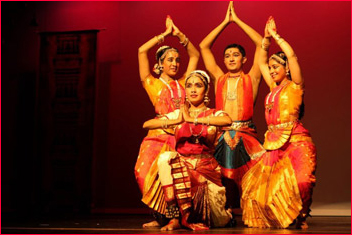
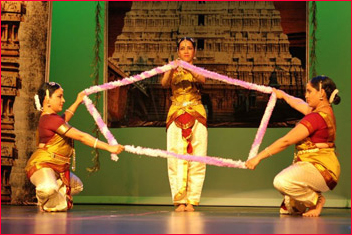
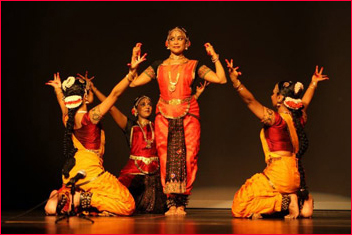
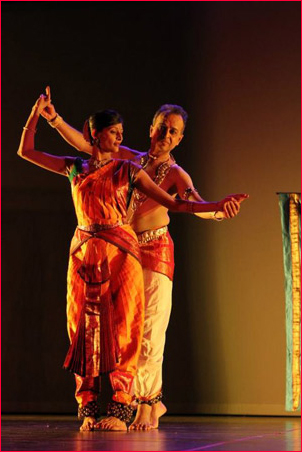
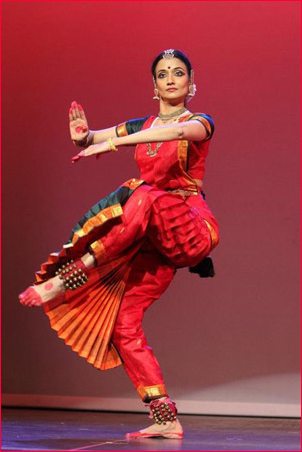
The festival had a sense of multitude in terms of presentation, theme and talent. The evening events of the festival were attended by more than 1200 people. It presented more than 25 different dance performances covering main styles such as Bharathanatyam, Kathak, Odissi, and Kuchipudi.
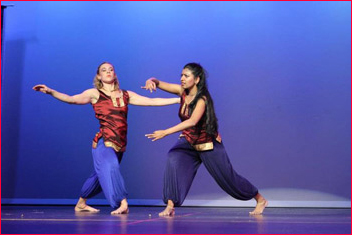
It presented fusion dance performances such as – Bharathanatyam – Mohini Attam; Bharathanatyam – Jazz; Poetical Bharathanatyam with English poems. While known dancers like Prashanth Shah, Nirmala Madhava, Ramya Ramnarayan and Srilatha Suri presented traditional items, others like Guru Prasanna Kasthuri, Savitha Sastry and Sushma Mohan showcased productions on newer themes.
Talented dancers such as Shipra Avantica Mehrora, Answesha Das, and Rachana Madhav Rao recreated new choreographies through their traditional dance base. Dancers had flown in from Canada, India, California, New York, New Jersey, Philadelphia, Texas, Kansas, Chicago, and Seattle as well as from the home town St.Louis MO.
Honour for dancer Kamala
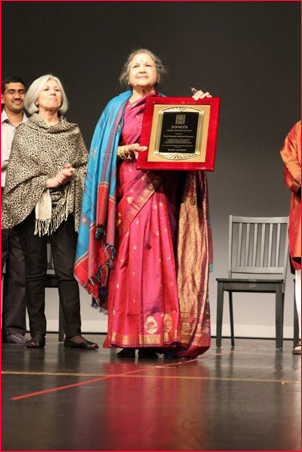
Senior dance guru of the Vazhuvoor tradition, Kamala Lakshmi Narayanan was honored with the Lifetime achievement award. Popularly known as Baby Kamala and Kamala Lakshman she was also an actress and appeared in almost 100 Tamil, Hindi, Telugu and Kannada films throughout her career.
In the St. Louis Indian Dance Festival, she was honored for her teaching in USA. She was recognized for her service to enrich the cultural scene of USA through Indian dances.
Well known sitarist, Ustad Imrat Khan, son of the legendary Ustad Enayat Khan and younger brother of the equally legendary Ustad Vilayat Khan, the foremost member of the famous Etawa Gharana (musical dynasty), honored guru Kamala. Aroon Shivdasani, president of Indo American Arts Council, NY who was also present at the occasion admired Guru Prasanna’s efforts to spread Indian classical arts. The felicitation event showcased a video highlighting the major achievements of Kamala.
Youth Dance Series
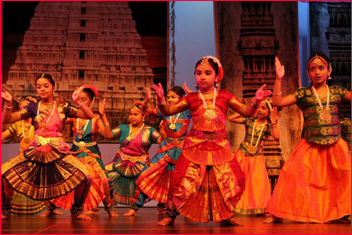
The Youth Dance Series presented young Bharathanatyam dancer Bharatha Ram from San Antonio, Kuchipudi dancers Pranathi and Pranamya from Dallas, Shyama Iyer from Louisville and Deepti Yogananada from Indianapolis.
The young dancers were promising, talented and have the makings of professional dancers with the right support. All these youngsters, who are born in USA are very promising and show sure signs of keeping the classical tradition alive for the future
Intriguing thoughts at debates
Both mornings featured seminars of different topics relevant to the field of dance and art. Dancer Smitha Rajan spoke about issues faced by dance teachers while imparting training to American students, NRI children wondered why it was difficult to do an expressive or Abhinaya piece, Anwesha Das discussed the influence of language in dance.
Guru Enakshi spoke about the challenges she faces while teaching Odissi in Canada. Savita Sastry spoke about connecting a classical art form to modern times. Viji Rao discussed about the participation of teacher, students and parents in a dance system.
A couple of audience members questioned the economic stress on parents to get their children trained in dance and music. Their point was an increase in the cost of training. Many also pointed out exorbitant charges laid by visiting Indian teachers. But this was defended by dance Gurus as a payment for professionalism.
The artists drew comparisons between different professions and decried the discrepancies with the audience mentality. Most artistes agreed that it will be a challenge for classical dancers to survive against the popularity of Bollywood and other multi-media shows. Aroon Shivdasani, the president of IAAC, suggested that only good quality work will survive the changing weathers of performing arts.
Dr. Prathiba Natesan (Denton, TX) discussed the influence of western styles on Indian classical dance. Vidya Venkat Ram (Bangalore, India) highlighted the use of theater techniques to enrich the classical dance presentation. Radhika Prabhu (Bangalore) spoke on the effectiveness collaborations happening in India, in which she took examples of ballet learning in Bangalore. Radhika quoted her experiences from the well know ballet presentation “Nut cracker”, which was presented by people trained in Bangalore by a ballet teacher, who moved from London to India.
The most important part of the seminar was the discussion of setting up a central administration body for Indian classical dancers living in USA.
The artists gathered here agreed upon certifications needed for USA’s Indian dance training. Nirmala Madhava brought out the need for the central body to handle the issues of students in USA. Viji Rao, who was on the panel of many examination centers suggested having a common syllabus.
Well known Kathak dancer – Prashanth Shah hinted the value of such a system for both dance gurus and students. Guru Prasanna Kasthuri insisted on an independent USA based organization to develop the dance pedagogy, run by highly trained USA/Canada based artistes. The seminar participants decided to join hands to create such as entity.
The state government of Missouri provided partial finances through its state body – Missouri Arts Council and Regional Arts Commission. Local organizations such as Abhinaya, Missouri Tamil Sangam, Sangama Kannada Association took an active part in this festival.
Local businesses such as Sulekha.com, Enopi Math and USA Mortgage supported this venture. Guru Prasanna Kasthuri the artistic director of Soorya Performing Arts navigated this huge dance festival with support of his Board members.